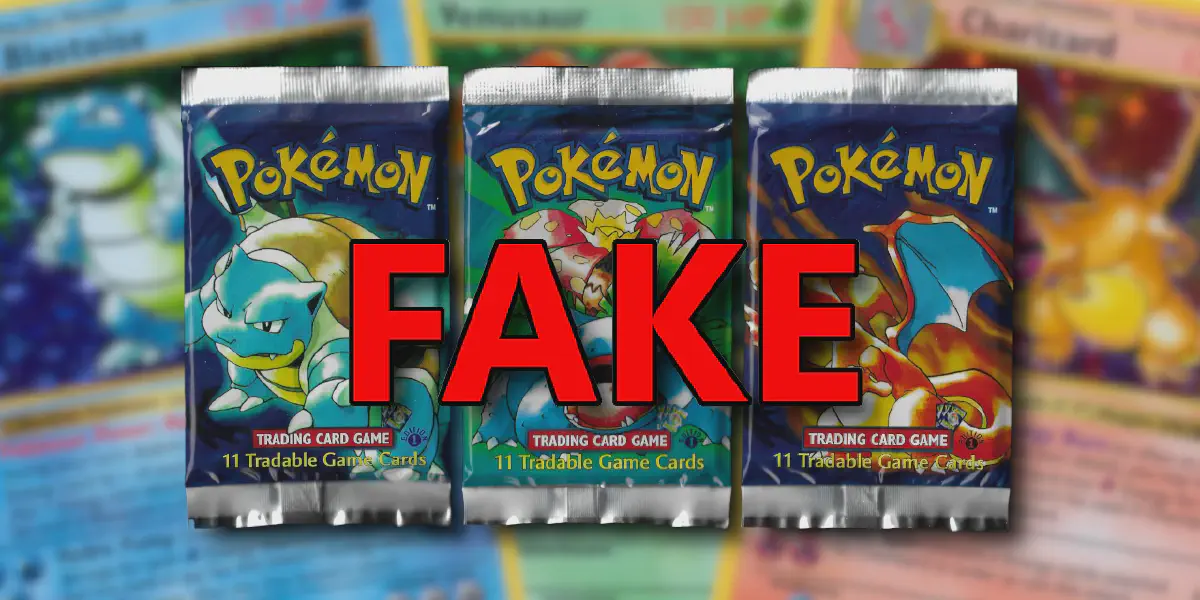
Recently, I have noticed an uptick in fakes being posted online. Many collectors are getting stung by the most common counterfeits currently in circulation: 1st Edition Base Set fakes.
These specific ones originate from China, made easily accessible to the public via AliExpress sellers. They are producing counterfeit cards, sealed booster packs, and even sealed booster boxes containing the fake packs and cards. I decided to purchase a few packs to inspect and document the differences.
The Packs #
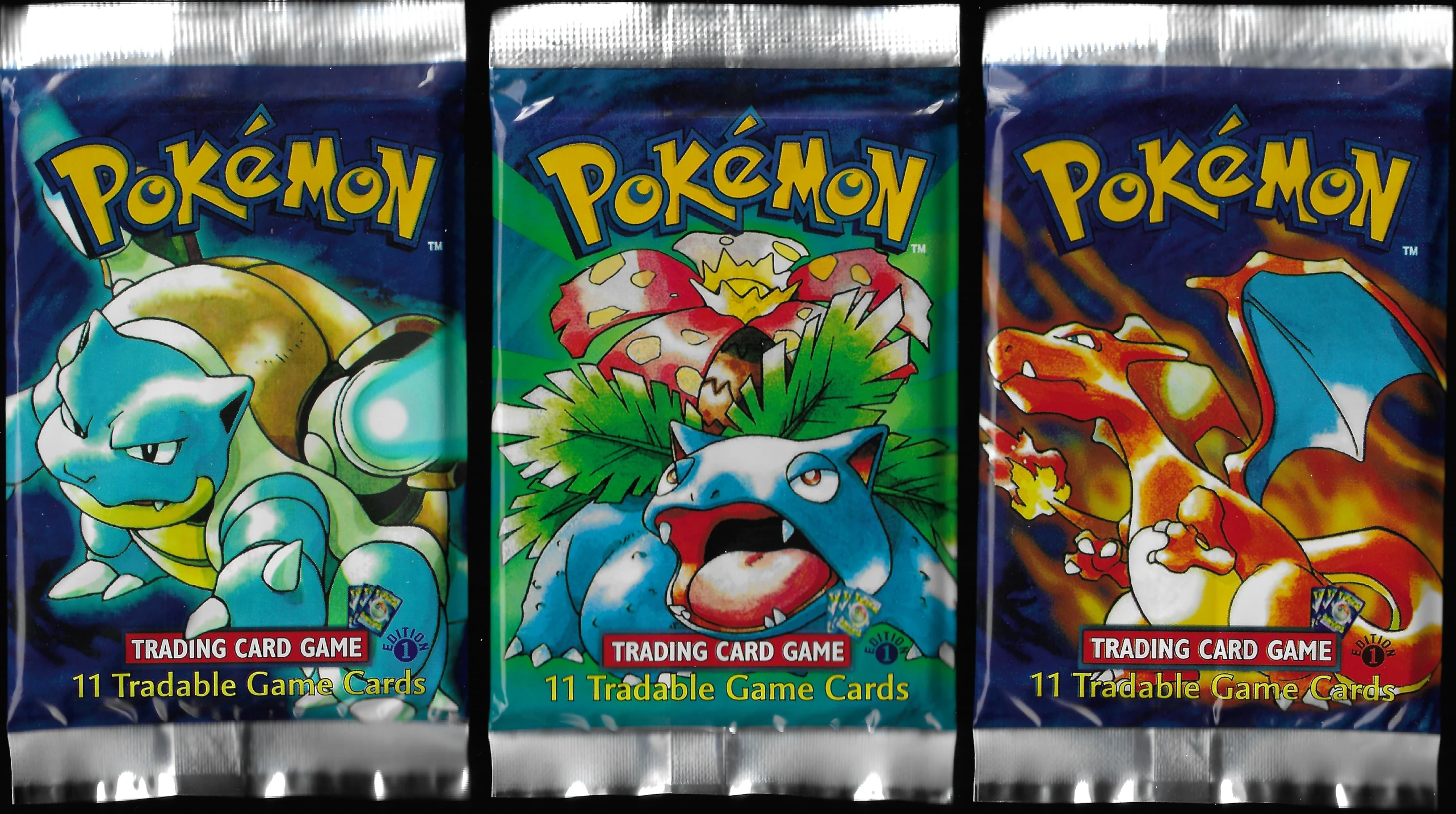
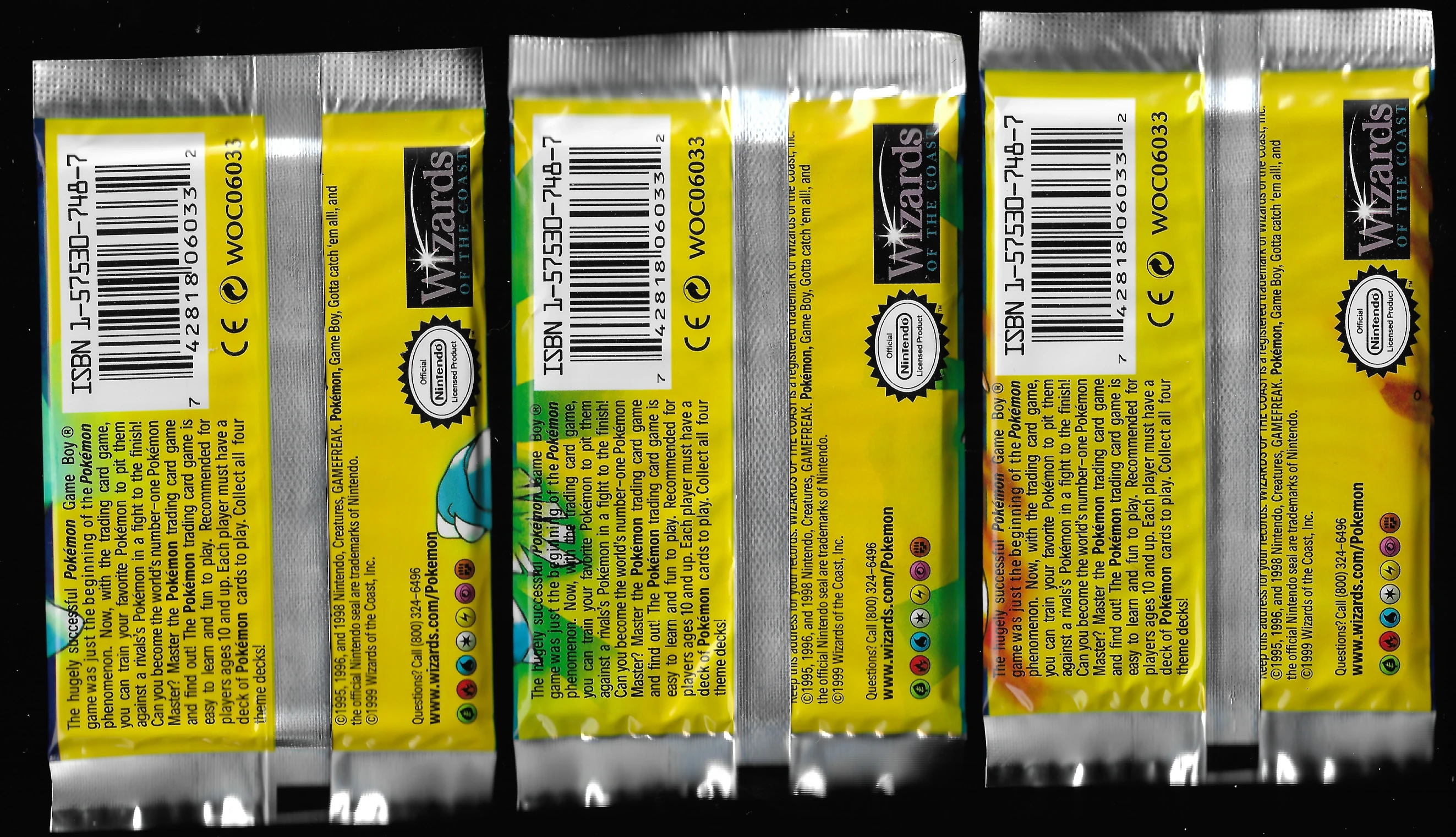
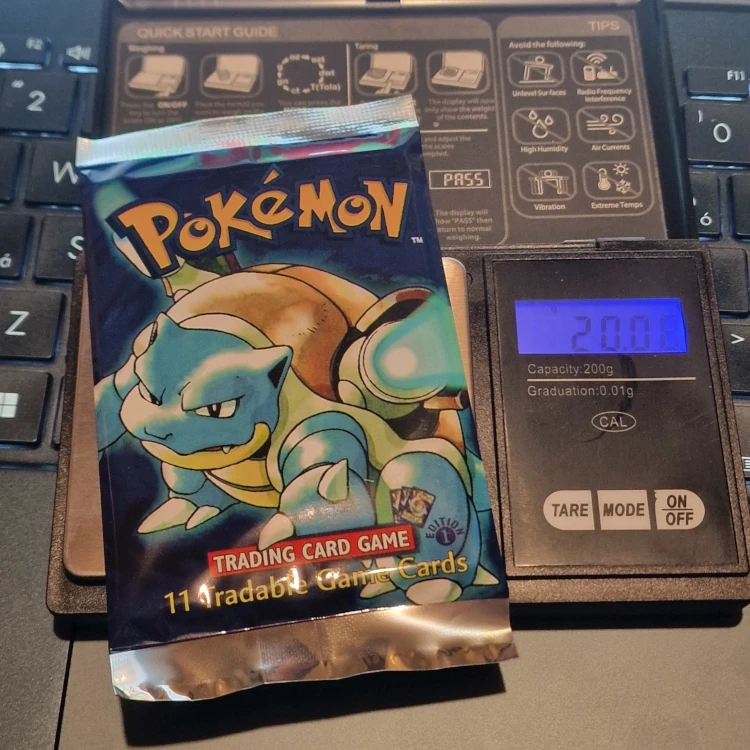
The easily identifiable giveaway with these packs is the crimp. There is no variant of a 1st Edition Base Set pack (or any Pokémon pack), that uses this specific crimp style.
Upon further inspection, the back seal is too thin and incorrect. The artwork is also slightly blurry with off-set colors and brightness. The back text looks actually clearer than it would appear on an original 1st Edition pack.
For a quick run down on genuine variants, efour user Jkanly has written a great guide here : Identifying Shadowless & Unlimited Base set Boxes & Packs
The Cards #
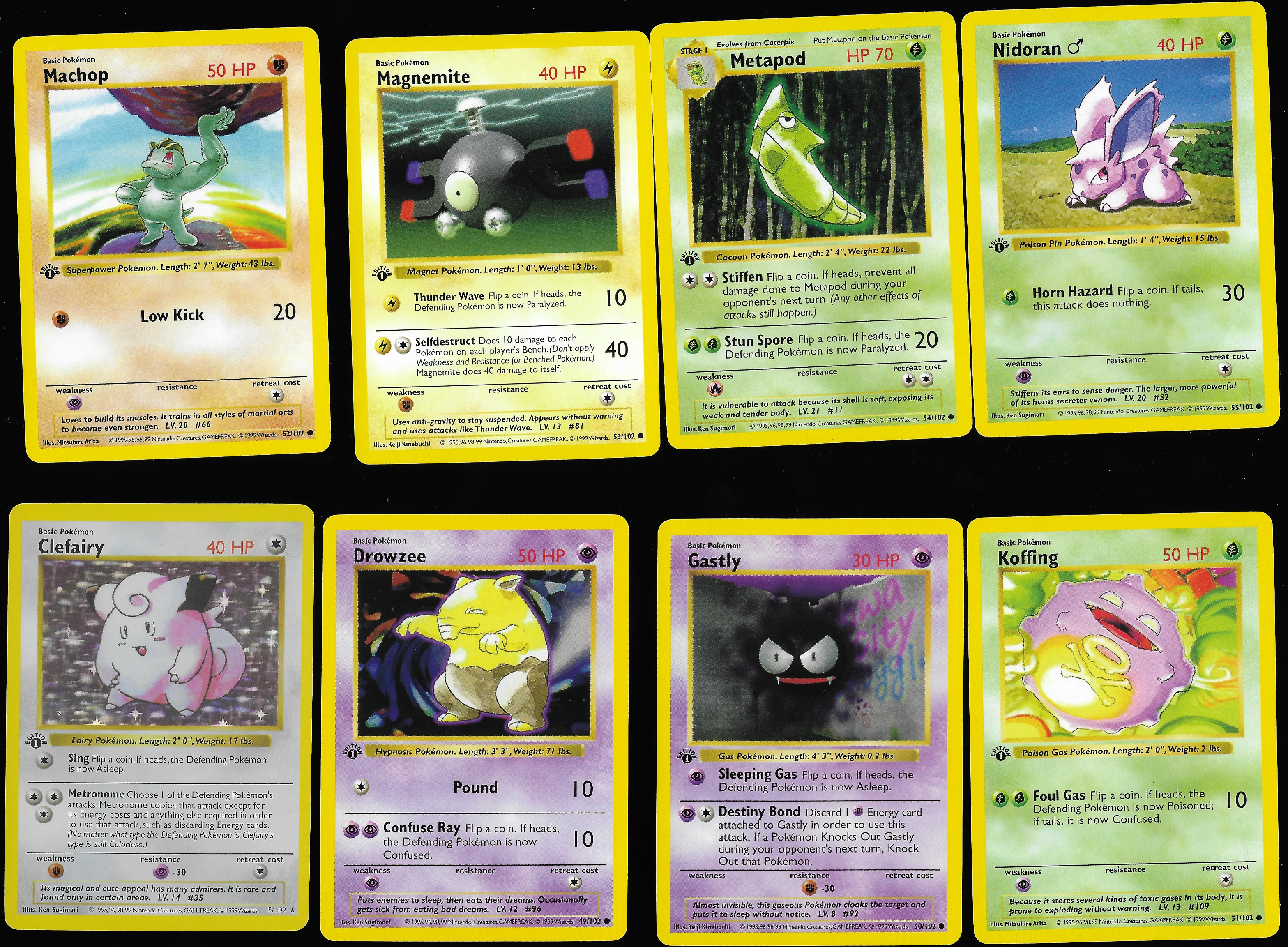


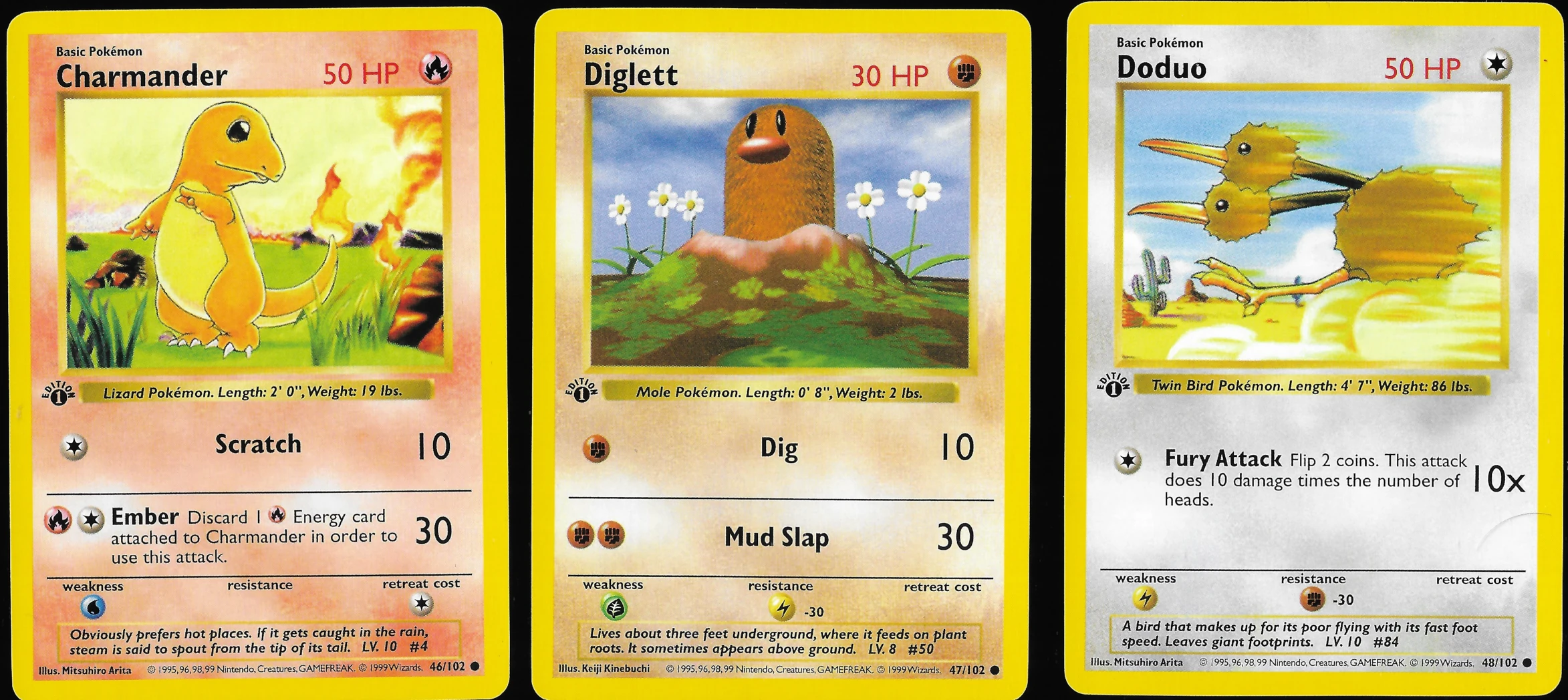
The non-holo cards are decent fakes, which are also catching some collectors out. Significant time has clearly been spent recreating and reworking these from the originals. You can tell the card text and graphics, such as energy symbols, have been added manually because they are high-resolution and very sharp.
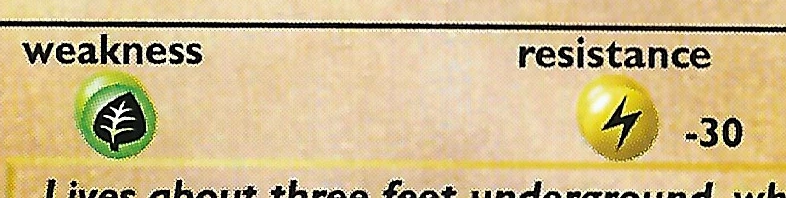
If you compare these to a genuine 1st Edition card, you’ll see the difference; the original printing technology from the 90s didn’t have the same digital clarity. Aside from the print quality, there are several errors throughout the set, such as misplaced energy symbols, text issues, and cropped graphics. This Diglett, for example, appears to have a duplicated energy symbol for its Weakness and Resistance.
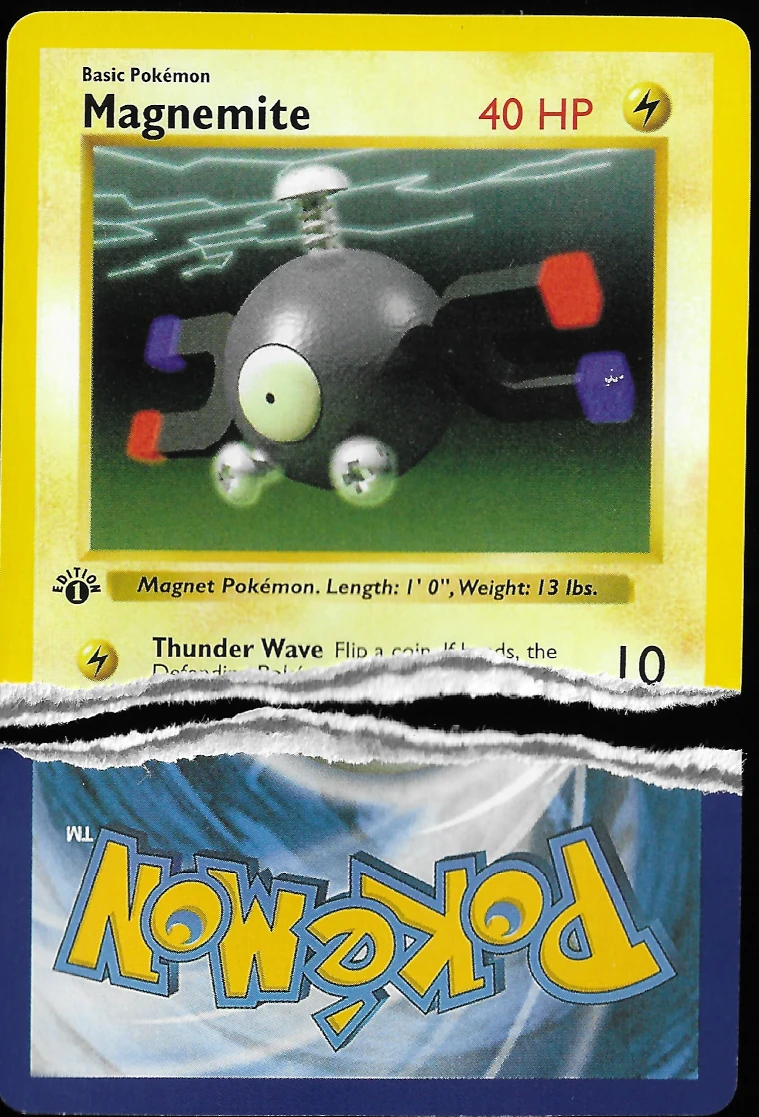
As for the “feel,” they handle more like a standard poker card. I imagine they are printed on the same card stock used for playing cards, as they feel thinner and more flexible than a genuine Pokémon card. But the difference is slight and may still catch people off guard.
Close-ups #
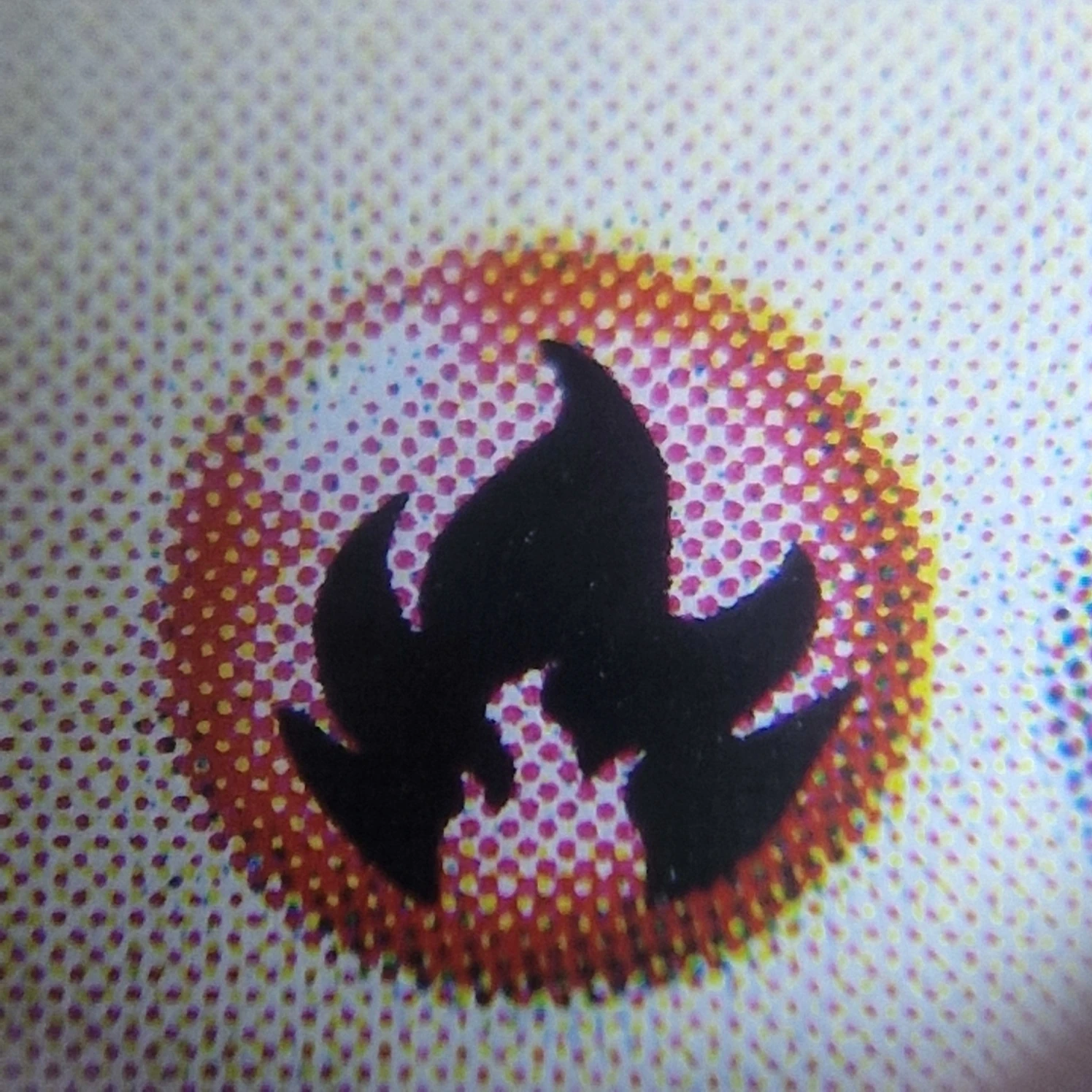
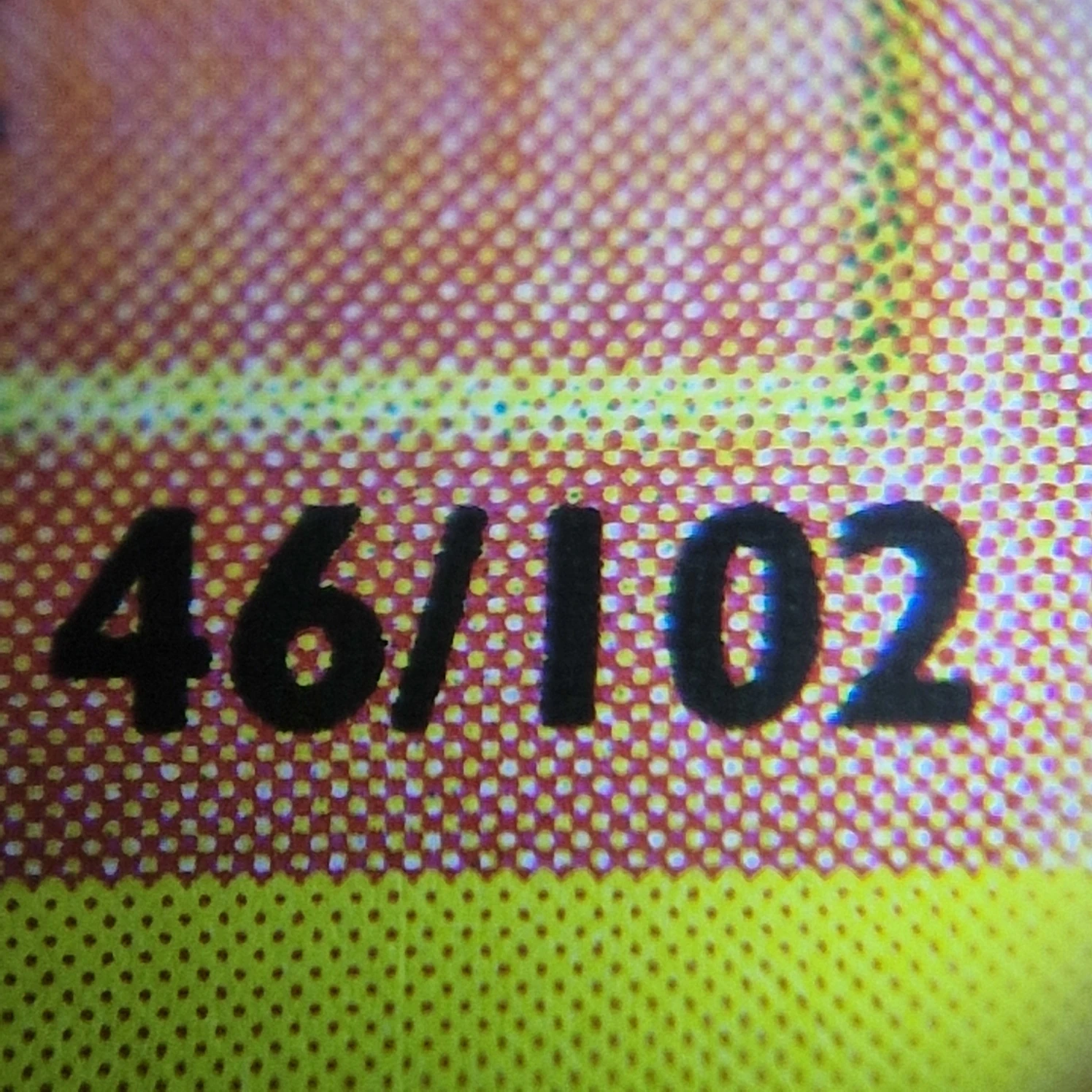
For those who want to get into the “nitty-gritty,” I have supplied some close-up shots taken through a loupe. You can really see the digital clarity here compared to an original. Additionally, the magenta ink patterns (rosette patterns) are a dead giveaway, as they differ significantly from the authentic printing process. If you are interested in the technical side of this, there is more information here.


The Booster Boxes #
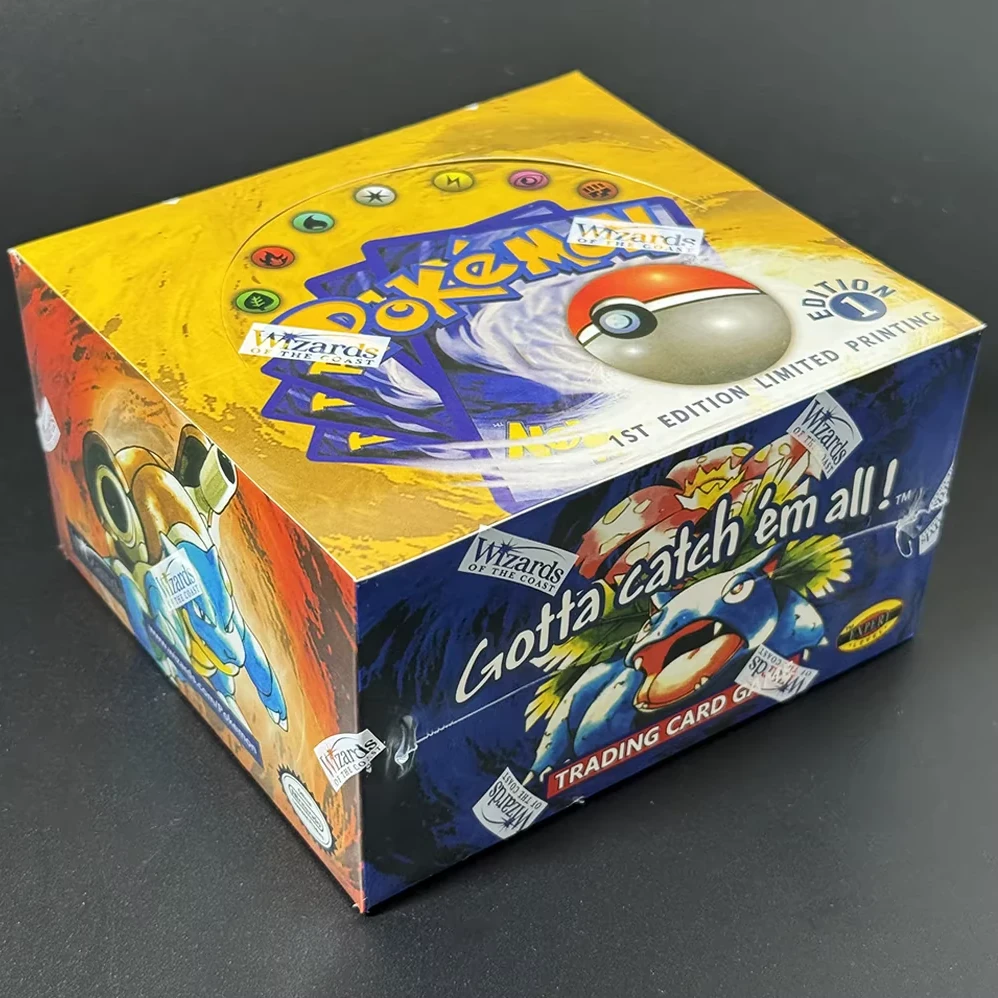
While I didn’t purchase a booster box myself, I have obtained the images and video from the same source. Unfortunately, some collectors have already purchased these fakes for thousands of pounds believing they were legitimate.
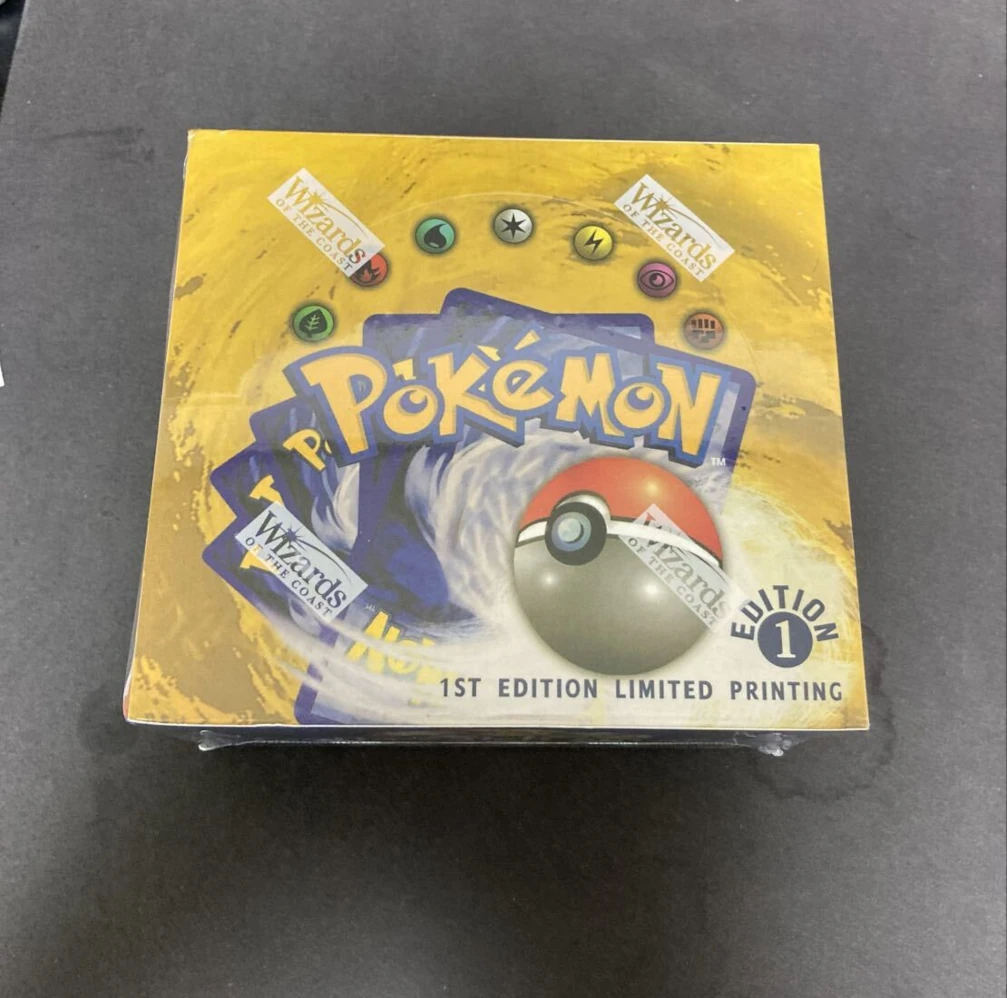
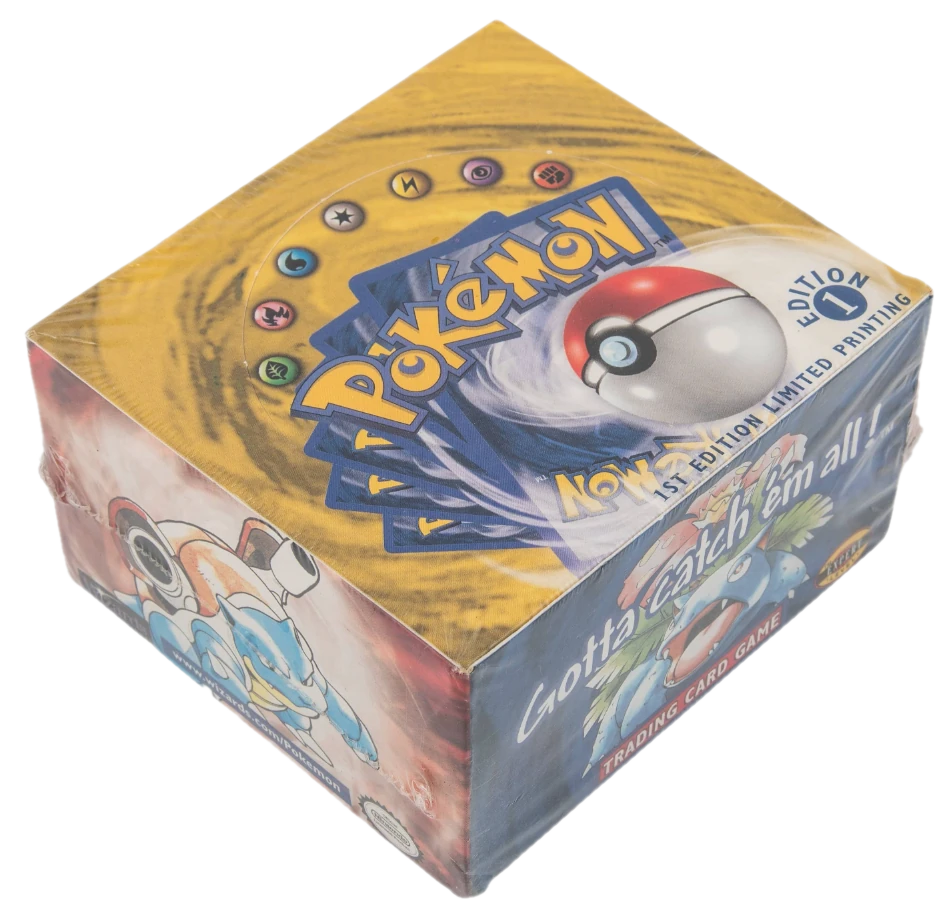
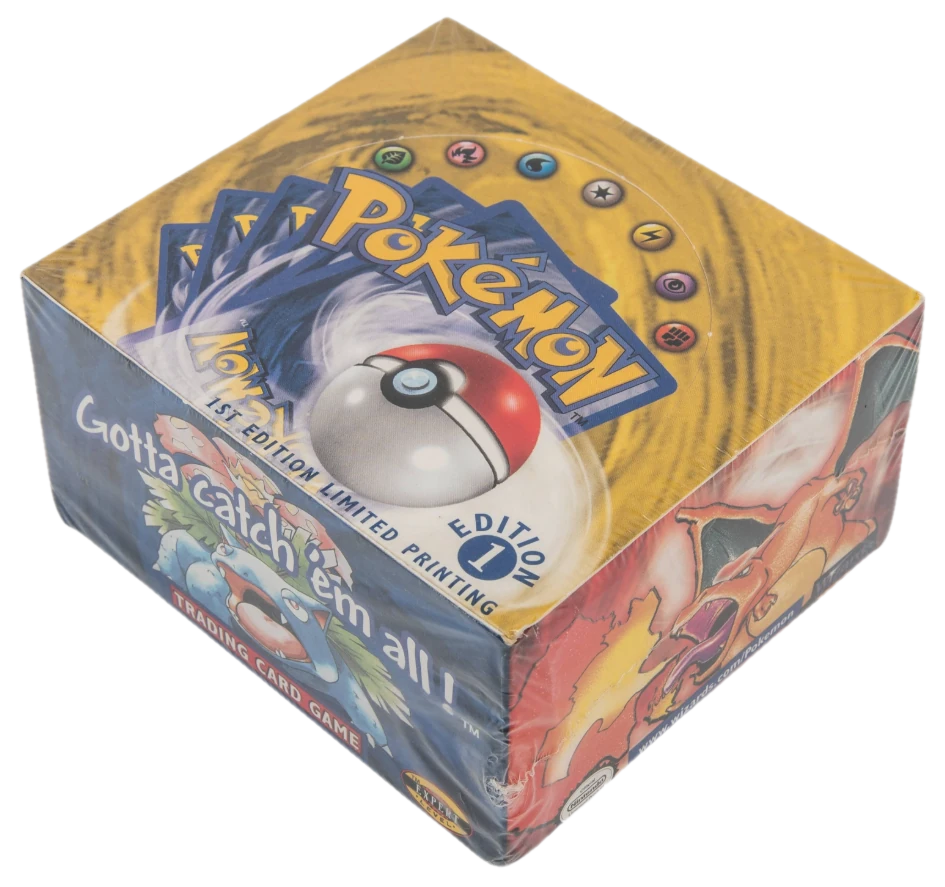
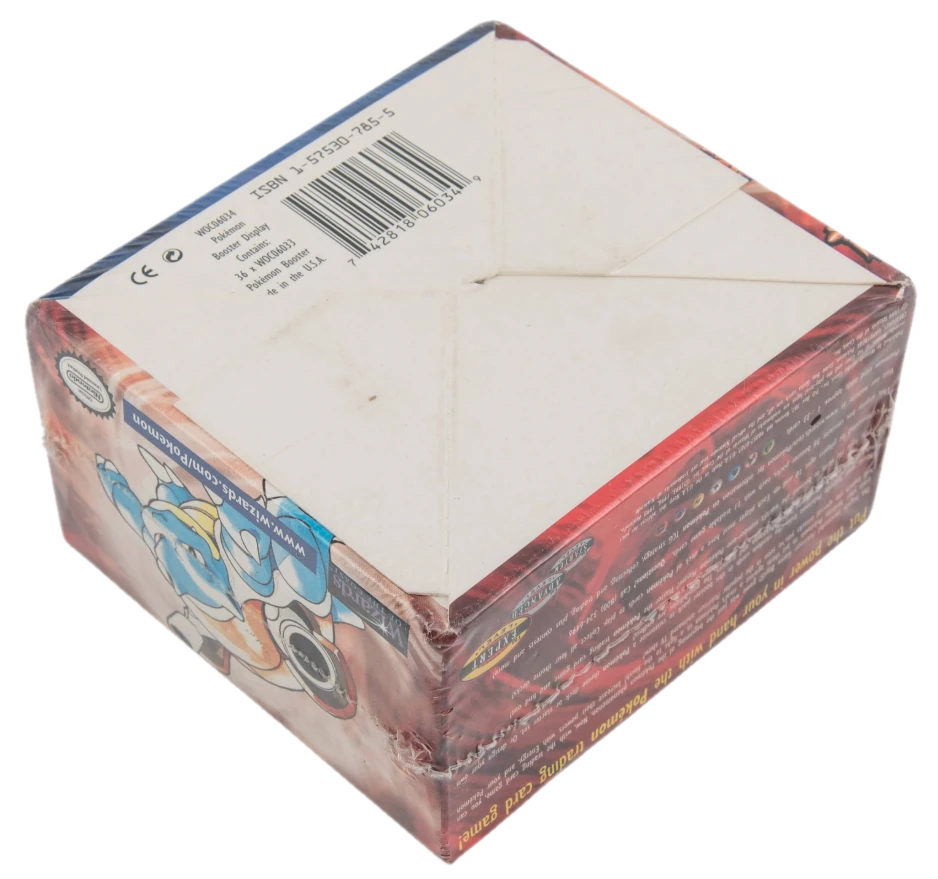
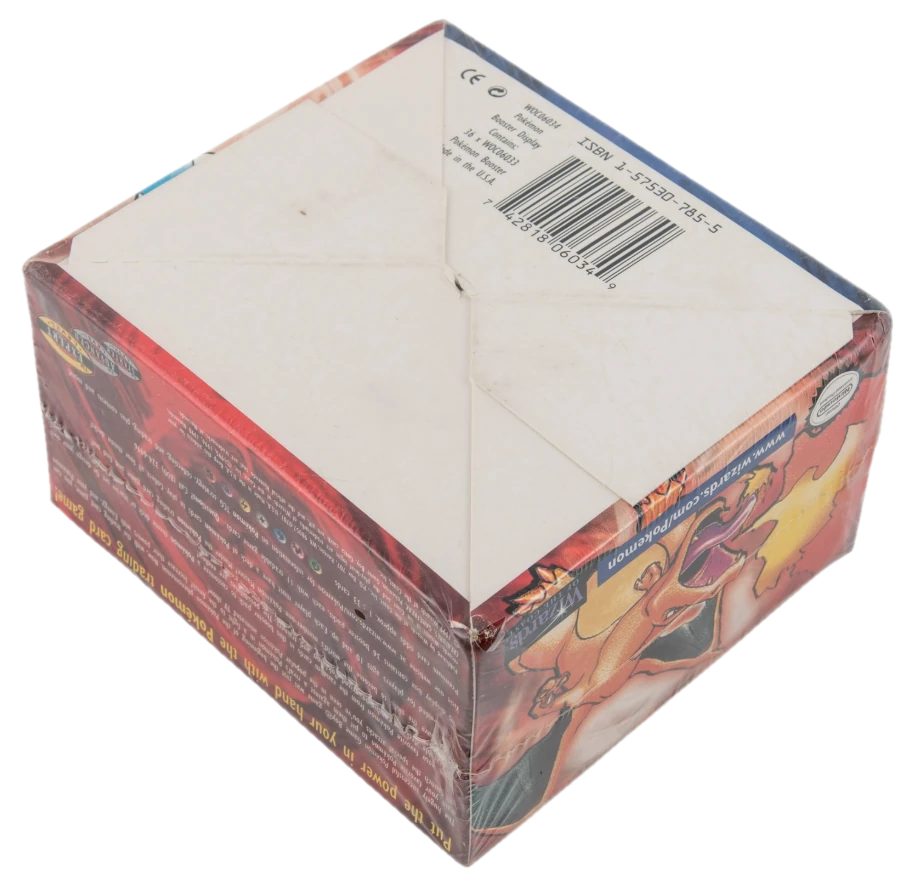
The main giveaway on the box is the graphic of the card back behind the word “Pokémon.” On a legitimate box, the first card in that “fan” of cards does not contain the “Pokémon” logo because it would clash with the text overlay on the box. On these fakes, the logo is visible. Upon closer inspection, the seal, color saturation, print quality, graphics and likely the weight is all incorrect.
For reference here is a genuine, sealed 1st Edition Base Set Booster Box:
The Best Tips For Spotting Fakes In General #
The best thing you can do if you are unsure about a product’s authenticity is to ask for help. The Efour (Elite Forum) is a great place to start; it is filled with experts who catch these details easily.
For independent research, try searching for verifiably authentic cards (such as those graded by PSA) on eBay and compare those scans with the card in question.
The same applies to sealed packs and boxes, you can search high end auction houses such as goldin / heritage for the listing images on past sales. Remember if a deal seems too good to be true, it almost always is.
Fake or “proxy” holo cards are often passed off as legitimate and usually have more effort put into them. However, one easy trick that gives away a huge percentage of them is checking the holofoil pattern against online databases such as TCGplayer or the pokemon-tcg-data GitHub repo for higher quality images.
Counterfeiters often use these high-quality database images as their base layer; as a result, you will often find that most fake cards have the exact same holo pattern as the stock photo online. On real cards, the foil pattern would not match perfectly to these photos.
For more information on fake Pokémon cards, The link below is a community-led post on Elite Fourum that highlights the different types of fakes currently circulating, along with the original post where I first shared this information.